Composting & Soil Health at Nature’s Curve Farm
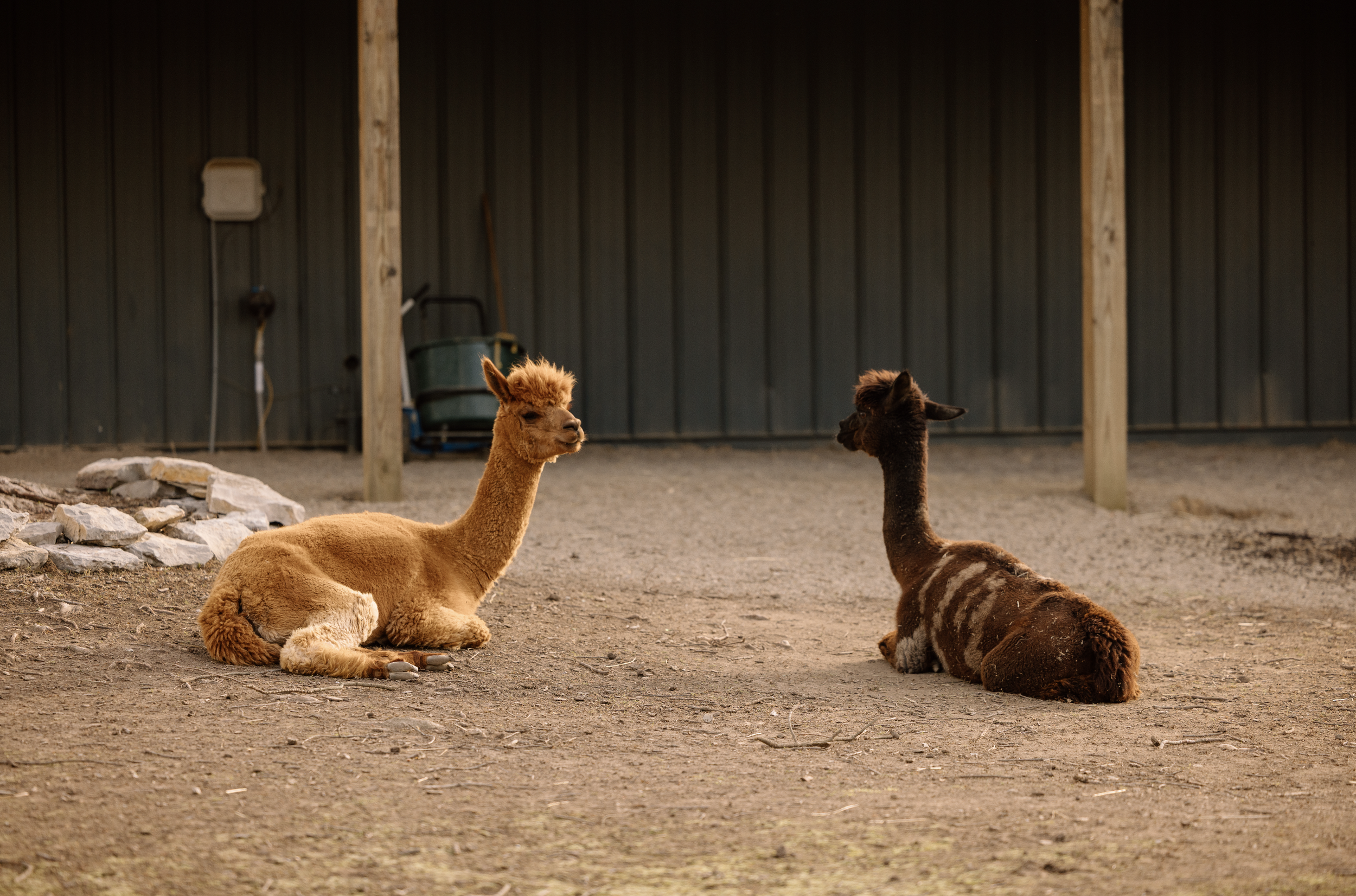
At Nature’s Curve, alpaca droppings aren’t waste — they’re black gold.
Known as alpaca “beans,” these small, dry pellets are clean, low-odor, and remarkably soil-friendly. Unlike most livestock manure, they go straight from pasture to garden without harming plants. No long aging. No chemical shock. Just pure, usable nutrients.
Why alpaca beans are unique
Alpacas are camelids, not ruminants, with a digestive system that efficiently breaks down forage. The result is manure that is:
Low in nitrogen salts — gentle on roots
pH-balanced — safe for plants
Slow-release — feeding the soil naturally over time
What’s inside the black gold
Nitrogen (N) – encourages leafy growth
Phosphorus (P) – strengthens roots and flowers
Potassium (K) – boosts plant resilience
Organic matter – improves soil structure and moisture retention
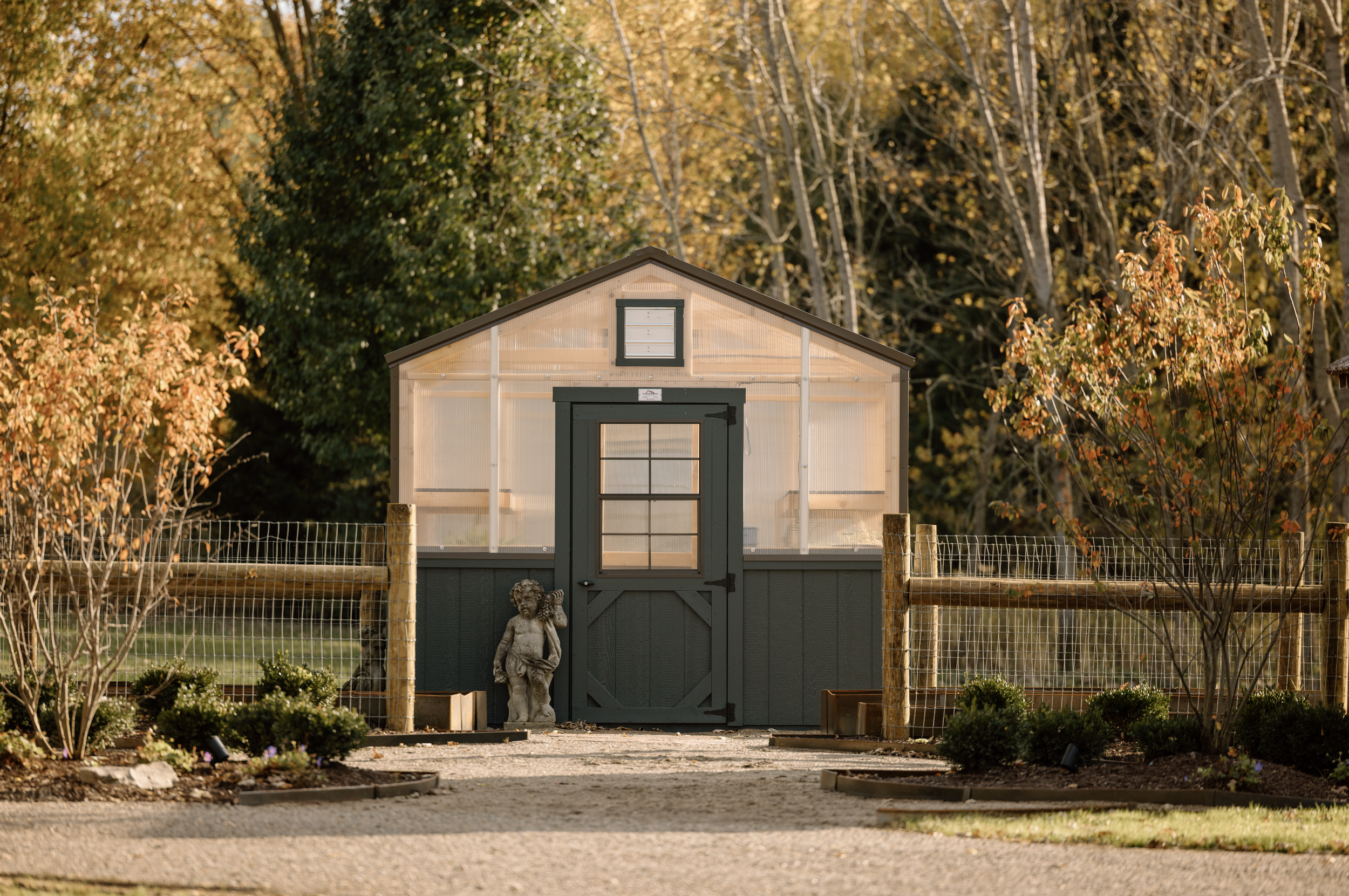
These qualities make alpaca beans perfect for gardens, raised beds, orchards, flowers, and greenhouses.
Composting turns organic waste into nutrient-rich soil that supports healthy plants and ecosystems
A magnet for life
Alpaca beans draw earthworms, which aerate the soil, improve drainage, and boost microbial life. Healthy soil isn’t sterile — it’s alive. With alpaca beans, living soil thrives.
Compost or direct-to-soil
Sprinkle directly on garden beds
Mix into compost for rich humus
Add to worm bins for vermicomposting gold
At Nature’s Curve, growth is never forced. The soil is fed, the plants flourish, and life blooms naturally — all with a little help from our alpacas.