
Soil, Pollinators, and Purpose at Nature’s Curve
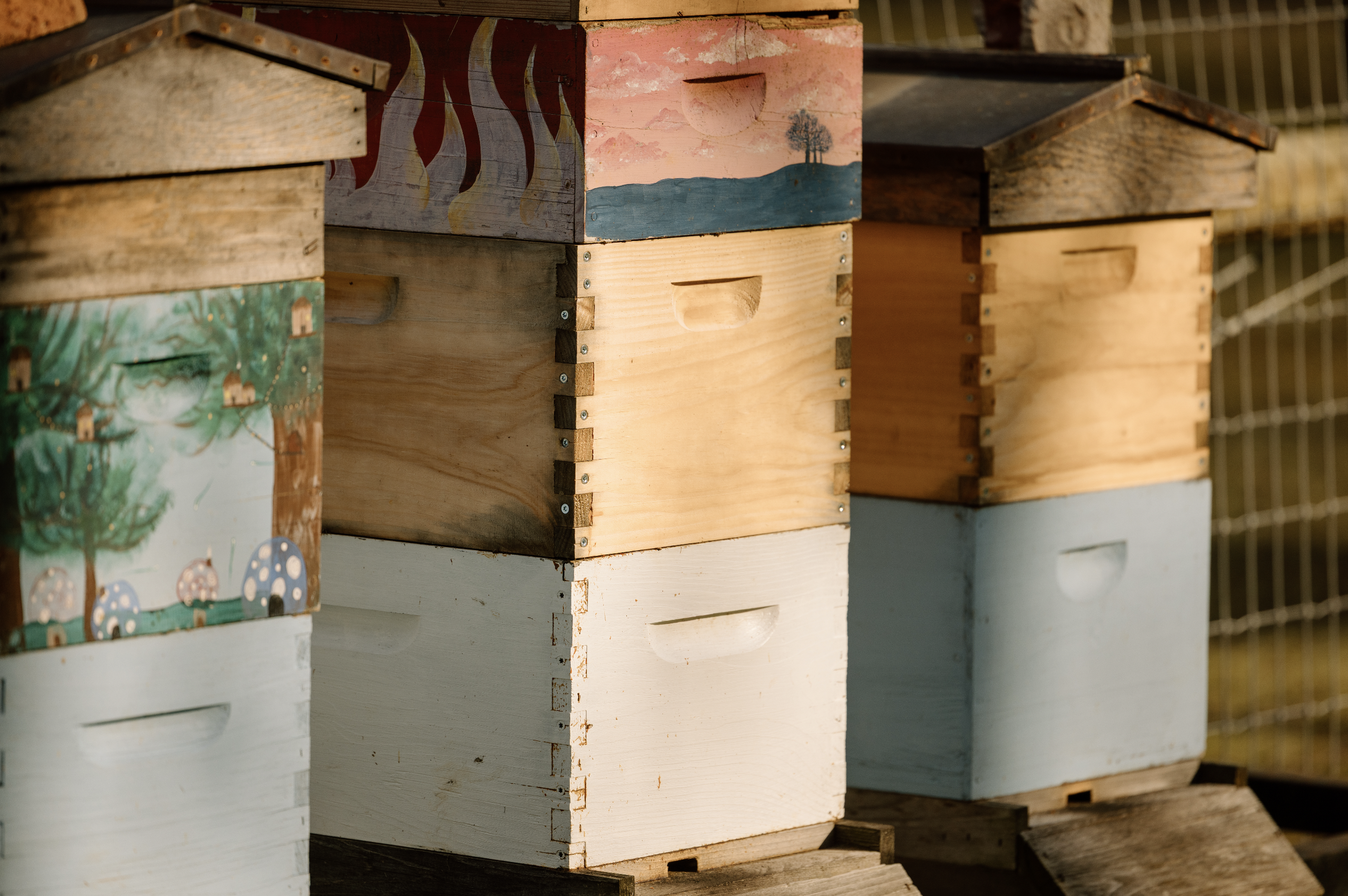
Beekeeping & Pollinators at Nature’s Curve Farm
At Nature’s Curve, healthy land grows from working with natural systems, not against them. Every element of the farm supports another: alpacas enrich the soil, the soil nourishes the plants, and the plants sustain the pollinators that make growth possible.
Alpacas contribute far more than their fiber. Their manure — often called “black gold” — is a natural fertilizer that enriches the earth, draws in worms, and builds living soil that holds moisture and nutrients. Strong soil produces vibrant plants, and healthy plants create reliable forage and abundant blooms.
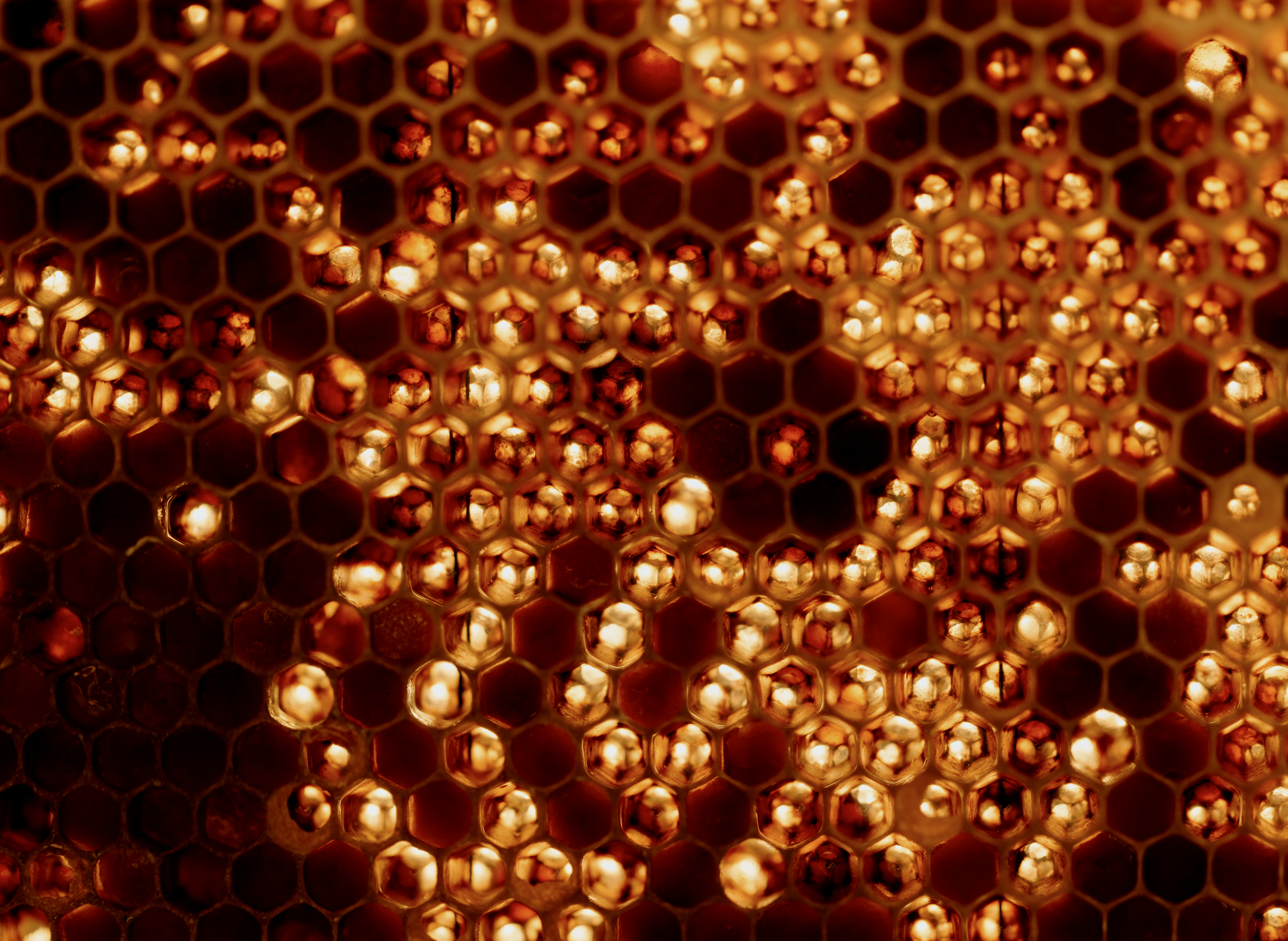
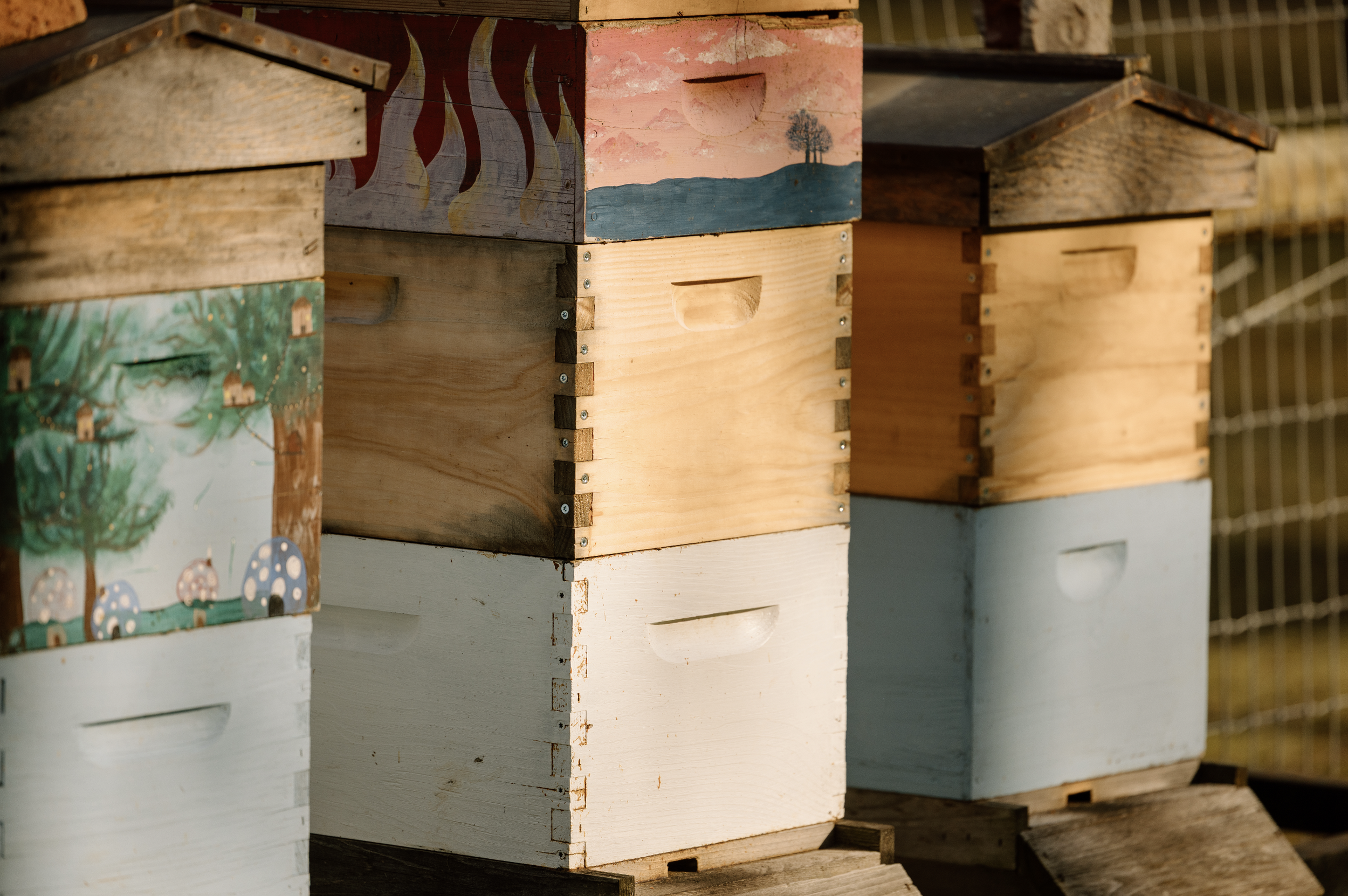
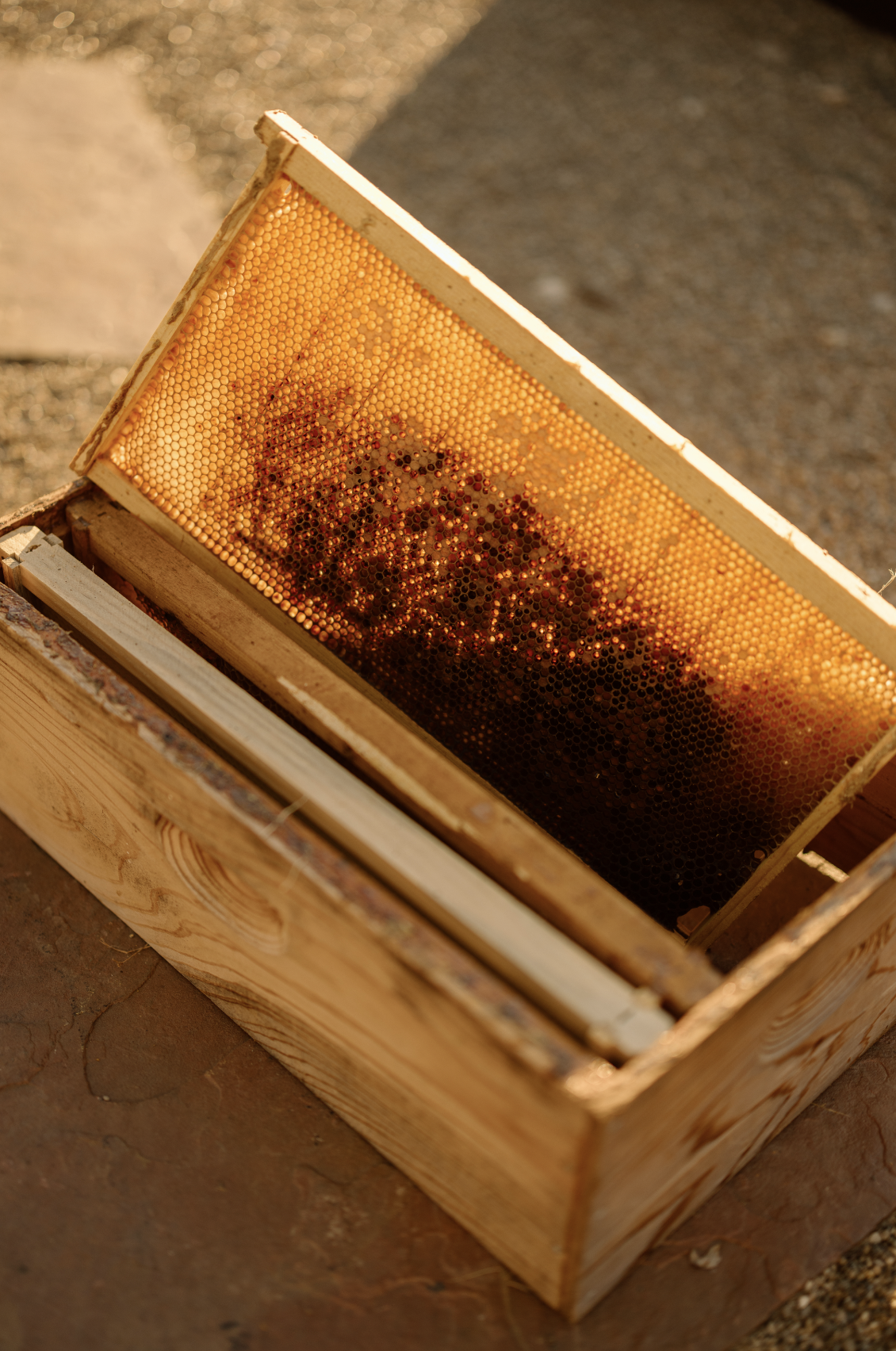
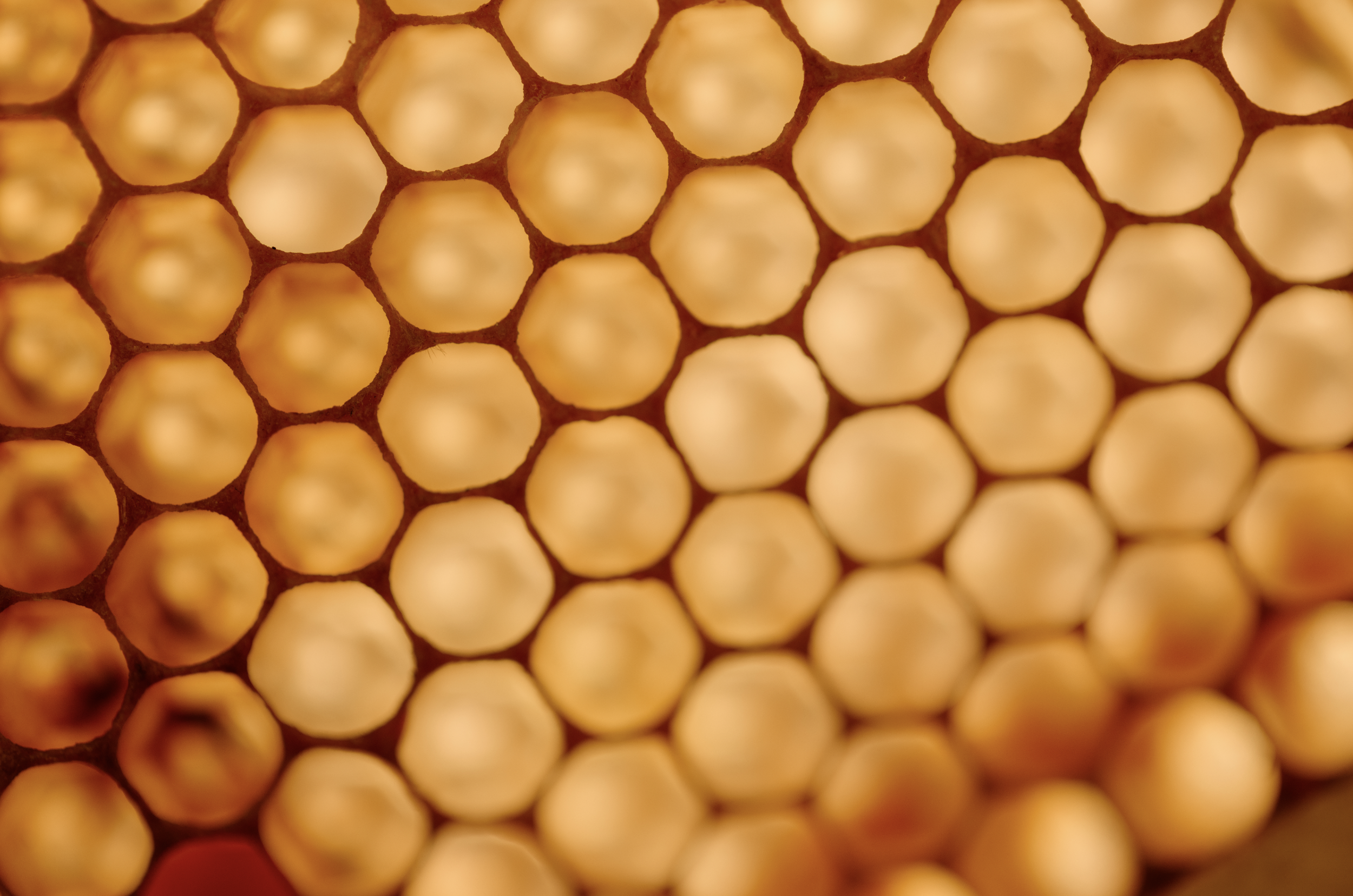
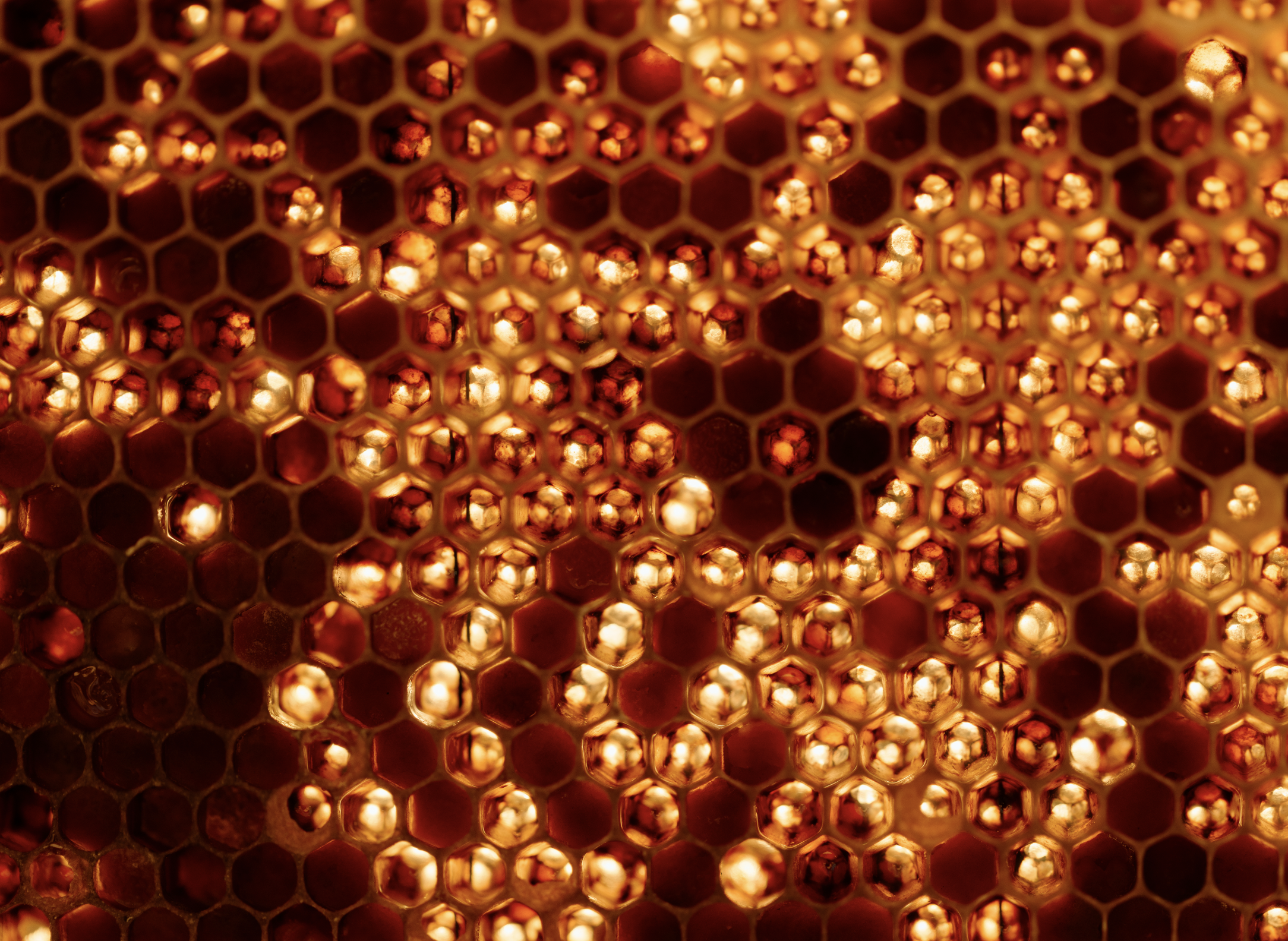
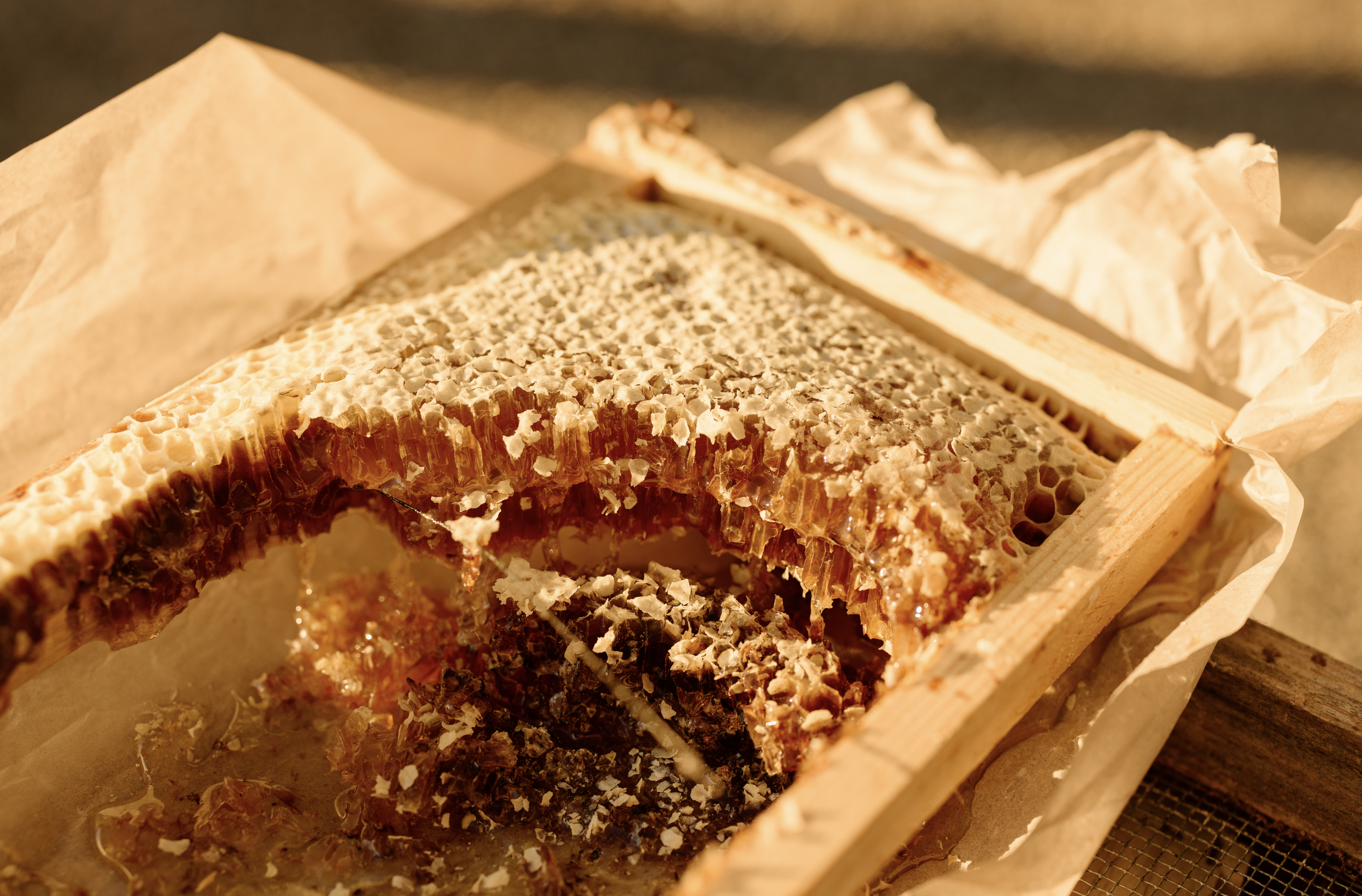
Pollinators are the next essential link in this cycle. Bees here are nurtured through practices rooted in respect for both the land and its creatures. They pollinate gardens, support biodiversity, and enhance yields across the farm. The warm, earthy smell of the hives and the steady hum of thousands of bees reflect a system that is organized, purposeful, and alive — the very rhythm of a thriving ecosystem.
At Nature’s Curve, alpacas, gardens, and bees are never separate; they are part of one interconnected system. Soil health, pollination, and sustainability work together as nature intended. This is a farm built to demonstrate how small, intentional practices create balance, resilience, and growth that last.
Golden Guardians: Bees and the Farm’s Rhythm
Bees are master pollinators
A single honeybee can visit up to 5,000 flowers in a day, transferring pollen that helps plants grow fruits, seeds, and flowers.
Bees communicate through dance
Honeybees perform a “waggle dance” to share the location of the best nectar and pollen sources with their hive mates.
Bees support biodiversity
By pollinating a wide variety of plants, bees help entire ecosystems thrive, supporting other insects, birds, and wildlife.